The 1991 season was a defining chapter in the storied history of Dungannon Swifts, a year that would lay the groundwork for the club’s future successes. Under the management of the ambitious Paul McGirr, the Swifts began to shift from their traditional role as an underdog to a side capable of challenging the established order in Northern Irish football.
One of the standout stories from that season was the emergence of young talents who would become the backbone of the team for years to come. Players like the dynamic striker Gary Hamilton, whose eye for goal and relentless work ethic made him an instant fan favorite, started to show their skills on the pitch. Hamilton's contributions went beyond just finding the back of the net; he embodied the spirit and determination that the Swifts were beginning to cultivate.
The 1991 season also marked a significant challenge in the Irish League, as Dungannon faced off against some of the toughest teams in the league, including their fierce rivals, Glenavon. Matches against Glenavon were always charged with emotion, and the rivalry intensified that year as both clubs competed for mid-table supremacy. The Swifts managed to secure vital points in these encounters, which helped to build confidence and camaraderie among the squad.
Another key moment of the season came in the form of the Irish Cup, where Dungannon Swifts made a notable run. Although they did not capture the trophy, their performances were commendable, often pushing higher-ranked teams to the limit. It was during this cup run that the team began to gain recognition not only for their fight but also for their flair and attacking style of play, which endeared them to the supporters.
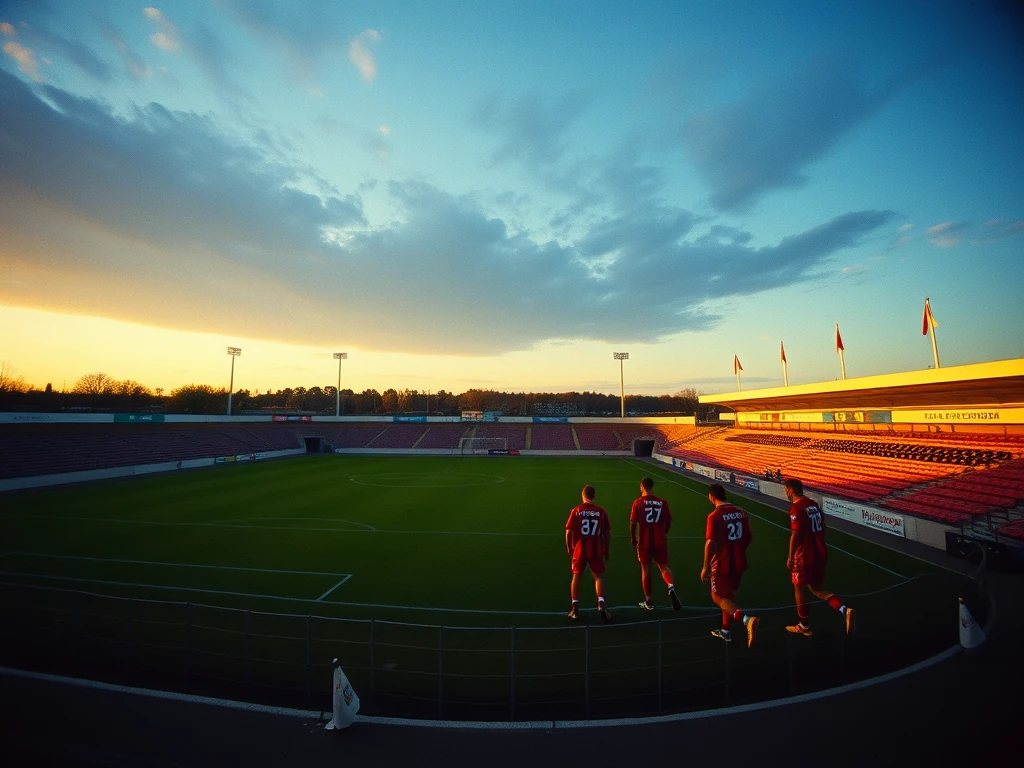
The fan base at Stangmore Park began to swell, as word of the Swifts’ spirited performances spread throughout Dungannon and beyond. This season was key in fostering a stronger sense of community around the club; supporters rallied behind their team, creating an atmosphere that would become synonymous with home matches. The connection between the players and supporters grew, establishing a bond that would carry the club through tougher times in the years that followed.
As the season came to a close, the Swifts finished in a respectable position, but more importantly, they had developed a winning mentality that would serve as a blueprint for future campaigns. The lessons learned in 1991 would be revisited in subsequent years as the club continued to strive for greater heights.
In retrospect, the 1991 season was not only about the results on the pitch; it was about laying the foundation for a club that would come to embody the resilience and passion of Dungannon itself. This era marked the beginning of a journey towards more competitive outings in the Irish League, with the Swifts emerging as a side that could no longer be overlooked.
Today, as we reflect on Dungannon Swifts' rich history, the impact of the 1991 season remains clear. It was a time of transformation, a period that ignited a flame of ambition that continues to burn brightly within the club, reminding us of the potential that lies within the heart of every Swift.